A septic tank doesn’t ask for much, until the day it does. Everything’s running fine, and then out of nowhere you’ve got a slow drain, a funky smell out in the yard, or a toilet that’s suddenly everybody’s problem.
If you’re trying to figure out how often to pump a septic tank, the short answer is every 3 to 5 years for most homes. That number moves depending on your household size, your tank size, how much water you’re running through it, and when it was last serviced.
We’ll cover the household size breakdown, the warning signs your tank’s overdue, and what happens if you let it go too long.
How Often Should a Septic Tank Be Pumped?
Most septic tanks need pumping every 3 to 5 years. That’s a good rule of thumb for a lot of homes, but your system might need attention sooner or later depending on how you’re using it.
A smaller household with a bigger tank can usually go longer between pumpings. A bigger family, a smaller tank, heavy water use, or a garbage disposal running scraps into the system will fill that tank up faster.
Remember your tank isn’t just holding water. It’s collecting solids too. Those build up at the bottom over time, and if nobody pumps them out, they eventually start moving where they shouldn’t. Routine septic tank pumping clears those solids out before they cause you trouble. If you can’t remember the last time your tank was serviced, there’s a good chance it’s due.
Septic Tank Pumping Frequency by Household Size
Household size is one of the biggest factors in how often you’ll need to pump. More people in the house usually means more showers, more laundry, more flushes, and more wastewater heading into your system.
Here’s a general guide:
- 1 person: every 5 to 7 years
- 2 people: every 4 to 6 years
- 3 people: every 3 to 5 years
- 4 people: every 3 to 4 years
- 5 people: every 2 to 3 years
- 6 people: every 1 to 2 years
- 8 people: about once a year, or as recommended after inspection
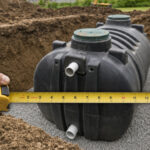
These numbers are based on a standard 1,000-gallon tank, which is common for many 3-to-4-bedroom homes. A bigger tank stretches these timelines out; a smaller tank shortens them.
Treat this as a guide, not a guarantee. A family of 4 with a large tank and careful water habits might not need pumping as often as a family of 4 with a smaller tank, heavy laundry, and a garbage disposal running constantly. A family of 2 can usually stretch things out, but not forever.
If you’re not sure what size tank you’ve got, or you don’t have any service records, a professional septic inspection can tell you exactly where you stand.
What Affects How Often You Need Septic Pumping?
The 3-to-5-year rule is a helpful starting point, but it doesn’t tell the whole story. Here’s what actually moves the needle on your schedule.
Tank Size
A larger tank can hold more waste before it needs pumping. A smaller tank fills up faster, especially with a full household running through it.
A 2,000-gallon tank, for example, may not need pumping as often as a 1,000-gallon tank in the same situation. Size isn’t everything, though. If a large household’s running a lot of water every day, even a bigger tank still needs regular service.
Number of People in the Home
More people means more wastewater, plain and simple.
A single person living alone puts a lot less demand on a system than a family of 5 or 6. If your household’s grown since the last time your tank was pumped, your schedule probably needs to change with it.
Water Use
Long showers, frequent laundry, a toilet that runs, heavy daily water use, it all adds up. Too much water moving through the system at once makes it harder for solids to settle properly.
Spreading your water use out over the day, instead of running the washer, dishwasher, and a couple of showers back to back, gives your tank a better chance to keep up.
Garbage Disposal Use
Garbage disposals send extra food waste and solids straight into your tank. That fills things up faster and can shorten how often you need to pump.
If you run your disposal often, plan on more frequent service.
What Goes Down the Drain
Your septic tank’s built to handle wastewater and toilet paper. It’s not built for wipes, grease, paper towels, feminine products, diapers, or whatever science project came out of the back of your fridge.
Even wipes labeled “flushable” can cause problems. Flushable doesn’t always mean septic-friendly.
Age and Condition of the System
Older systems need closer attention. Parts wear down, pipes shift, and the drain field doesn’t always work the way it used to.
If your septic tank is older or has given you trouble before, it’s better to stay ahead of pumping than wait until something backs up on you.
Signs Your Septic Tank Needs to Be Pumped
Your septic tank won’t send you a friendly reminder. It’ll usually let you know in less pleasant ways. Watch for:
- Slow drains throughout the house
- Gurgling toilets or drains
- Sewage odors inside or outside
- Water backing up into sinks, tubs, or toilets
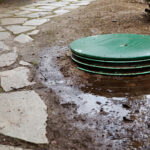
- Wet or soggy spots in the yard
- Standing water near the tank or drain field
- Very green or fast-growing grass over the septic area
- Frequent clogs
- It’s been more than 3 to 5 years since your last pumping
One slow drain might just be a clog. If several drains are slow at once, or your yard smells like something you definitely didn’t plant, it’s time to pay attention. Those same signs can point to your tank being full, or to something bigger going on, which is why it’s worth having someone check the system instead of guessing. If it’s just a full tank, pumping usually solves it. If it’s something else, you may need septic system repair before it gets worse.
What Happens If You Wait Too Long?
Waiting too long to pump can turn a routine service call into a much bigger problem.
Here’s how it plays out. Solids build up in your tank over time, and as that layer thickens, the tank has less room to do its job. Eventually those solids leave the tank and move into your drain field, and that’s bad news.
Your drain field is built to handle liquid wastewater, not chunks of sludge. Once solids get in there, they clog the soil and make it harder for wastewater to drain the way it should. That’s how you end up with backups, odors, soggy spots, and repair bills nobody wants.
If you never pump your tank, the system will eventually fail. It might not happen right away, which is part of what makes it sneaky. Everything can seem fine right up until it isn’t. A septic system’s a lot like a truck that never gets an oil change. It might keep running for a while, but it’s not doing great.
Regular pumping is a whole lot cheaper and easier than dealing with a damaged drain field or a major septic repair down the road.
How to Stay on a Septic Pumping Schedule
The best pumping schedule is one you don’t have to remember in a panic. Here’s how to stay ahead of it:
- Keep records of every pumping and inspection
- Write down your tank size if you know it
- Ask your septic company when your next service should be
- Schedule pumping before you hit the overdue mark
- Watch for warning signs between services
- Pump the tank before buying or selling a home if the history’s unclear
- Call when something feels off instead of waiting it out
If you recently bought a home and have no idea when the tank was last pumped, get a septic inspection on the calendar. It’ll tell you whether the tank’s due, whether there are any visible issues, or whether the system needs a closer look.
If you’re in Strafford, Springfield, Nixa, Ozark, Republic, Rogersville, Marshfield, Willard, Branson, or anywhere else around Southwest Missouri, Austin’s Pumping & Plumbing can help you stay on schedule and keep septic surprises off your calendar.
Frequently Asked Questions
How often should a septic tank be pumped?
Most septic tanks need pumping every 3 to 5 years. Larger households or homes with smaller tanks may need it more often, while smaller households with larger tanks can sometimes go longer.
How often should a family of 2 pump a septic tank?
A family of 2 typically needs pumping every 4 to 6 years, depending on tank size, water use, and whether there’s a garbage disposal in the mix. If you don’t know the last service date, it’s worth getting checked.
How often should a family of 4 pump a septic tank?
A family of 4 usually needs pumping every 3 to 4 years. Heavy water use, a smaller tank, or frequent garbage disposal use can shorten that timeline.
How often does a 2,000-gallon septic tank need to be pumped?
A 2,000-gallon tank can often go longer between pumpings than a smaller one, but household size and water use still matter. A small household might stretch it several years, while a larger household may still need pumping every few years.
How long can a septic tank go without being pumped?
Some tanks go more than 5 years without pumping, but that doesn’t mean it’s a good idea. Once solids build up too much, they can move into the drain field and cause expensive damage.
Should you pump a septic tank regularly?
Yes. Regular pumping helps prevent backups, odors, drain field problems, and costly repairs. It’s one of the easiest things you can do to keep your system working right.
What is the worst thing for a septic tank?
Neglect. Grease, wipes, paper towels, harsh chemicals, and skipped pumping are the usual culprits behind septic problems.
How much does it cost to pump a septic tank?
Cost depends on tank size, access, location, and the condition of your system. If the tank’s overdue or hard to reach, that can affect the price too. A local septic company can give you an accurate estimate based on your setup.
Not Sure When Your Septic Tank Was Last Pumped?
If you’re not sure when your tank was last pumped, don’t wait for a backup to remind you. By then it’s usually less convenient, more expensive, and a lot less pleasant.
Austin’s Pumping & Plumbing can check your system, pump the tank if it needs it, and help you avoid turning a routine service into a bigger septic problem.
Contact Austin’s Pumping & Plumbing at (417) 987-9914 for a free consultation.