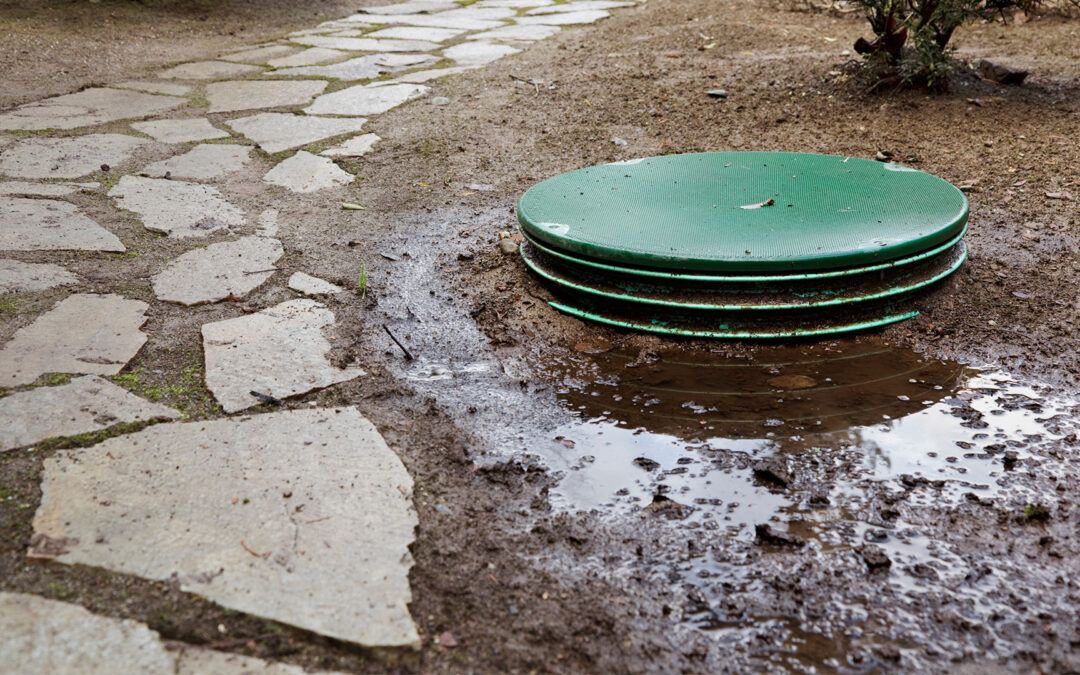
Your septic tank sits under the yard, so you can’t just walk out and look inside. Most homeowners find out something is wrong from a slow drain, a gurgling toilet, or a smell in the yard that wasn’t there last week.
The clearest way to tell if your septic tank is full is to watch for several drains slowing down at once. The rest of the signs show up in a predictable order, and catching them early is how a pumping job stays a pumping job.
What “Full” Means for a Septic Tank
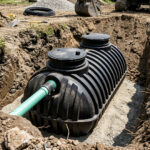
A working septic tank always holds liquid. Wastewater comes in, solids sink to the bottom, and grease and scum float to the top. The liquid in the middle flows out to the drain field, which is the area of buried pipes where it soaks into the ground.
In septic terms, “full” means the solids and scum have built up until there’s little room left for the liquid to settle. Once that happens, solids can slip out toward the drain field, and wastewater starts to slow down or back up toward the house.
The First Signs Your Septic Tank Is Full
Slow drains come first. One slow sink is usually just a clog. When the shower, the kitchen sink, and the washing machine all slow down together, the trouble is past the fixtures. Gurgling comes next. If the toilet burbles when the washer drains, the wastewater is having trouble moving. Then the odors start, either inside near the drains or outside near the tank.
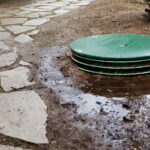
Later signs are harder to miss. Water or sewage backs up into a tub, shower, or floor drain. Soggy ground over the tank or drain field is another, and so is standing water when it hasn’t rained. Grass over the septic area that grows greener and faster than the rest of the yard is a third. If you see any of these, call right away.
Is Your Septic Tank Full, Clogged, or a Drain Field Problem?
A slow drain can come from a few different places, and the fix depends on which one you’ve got. Sorting out the cause first saves you from paying for the wrong job.
One slow drain: This is almost always a clog in that fixture’s own pipe. If everything else drains fine, the tank isn’t the cause.
Several slow drains plus gurgling: That usually means a full tank or a clog in the main line leaving the house, and the two can look the same from inside. If the tank hasn’t been pumped in years, a full tank is the more likely cause. A septic inspection sorts it out.
A soggy, smelly yard, especially right after pumping: If the tank was just pumped and the problem stayed, the drain field is the next place to look, and more pumping won’t help. A struggling drain field needs septic system repair.
Timing helps too. A problem that appears on heavy laundry days or when the house is full of guests points to a tank near its limit. If it never lets up, even on quiet days, a clog or a drain field problem is more likely.
Can You Still Flush or Shower? What to Do Right Now
For a while, yes. A toilet can keep flushing after the tank is overdue. A slow flush, gurgling, or water rising in the tub means there’s no room left in the tank, and every extra gallon you send down makes it worse. Until someone looks at the tank, do this:
- Cut back on water. Hold off on laundry and the dishwasher, and keep showers short, since a full tank can’t handle several loads back to back.
- Skip the drain cleaners and tank additives. Neither one empties a full tank.
- Keep the tank lid closed. The gas inside is dangerous, and an open tank is a fall hazard for kids and pets.
- Steer kids and pets away from wet or smelly spots in the yard.
- Call as soon as possible, especially if sewage is in the house or pooling in the yard.
A full tank doesn’t clear up on its own, and waiting usually turns a pumping job into a repair job.
What Fills a Septic Tank, and How Fast?
Solids and scum are what fill a septic tank. The liquid keeps flowing out to the drain field. Toilet waste and paper are part of the buildup, and food scraps from a garbage disposal, grease, wipes, and other things that don’t break down add to it fast. Heavy water use makes it worse, because water rushing through gives solids less time to settle.
How often to pump depends on the size of the tank and how many people live in the house. Most homes need pumping every 3 to 5 years. If you just bought the house and have no idea when the tank was last pumped, ask the sellers for the service records. No records means you’re guessing, and guessing is how a full tank turns into a surprise.
When to Call a Septic Professional
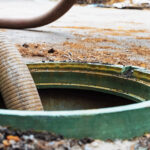
You can’t see inside the tank, and guessing gets expensive. A septic professional can open the tank at the access point, check the level and condition, and tell you whether it’s full, clogged, or something else. A septic inspection also covers the drain field, since that’s the other place a problem can show up. If the tank is due, we pump it, and if it’s something else, we say so and explain the repair options. Either way, we tell you what we find, and you decide what happens next.
As for cost, it depends on the size of the tank, how easy it is to reach, and where the property is. We give clear, upfront pricing before we start any work, so you know what to expect.
Get Your Septic Tank Checked
If your drains are slow, the toilet is gurgling, or the yard smells off, get the tank checked before the problem grows. We’re based in Strafford and work across Springfield, Nixa, Ozark, Republic, Branson, Rogersville, Marshfield, Willard, and the surrounding area.
Call Austin’s Pumping & Plumbing at (417) 987-9914 to schedule a septic tank pumping or inspection, so someone can confirm whether the tank is full.