Nobody buys a house thinking about the septic tank first. It’s buried in the yard, quietly doing its job, and most folks don’t think about it until they have to.
Until the drains start slowing down. Or the yard smells a little off. Or you realize nobody in the house has any idea when the tank was last pumped.
So how long do septic tanks last? The truth is, it depends on the type of tank, how it was installed, how often it’s been pumped, and how it’s been treated over the years.
Your tank can last a long time, but it’s not indestructible. Nothing that handles that much wastewater gets a free pass forever.
What’s the Typical Lifespan of a Septic Tank?
Most septic tanks last somewhere between 20 and 40 years, though the exact number really depends on what the tank’s made of. A well-installed concrete tank that’s been pumped and maintained on schedule can stretch to 50 years or more, while a steel tank usually falls short of that range, more like 15 to 25 years, since steel rusts over time.
It’s also worth knowing the difference between the septic tank and the whole septic system. The tank is the buried container that holds wastewater from your home: solids settle at the bottom, grease and scum float to the top, and the liquid flows out toward the drain field. The drain field is where that liquid gets filtered through the soil.
Sometimes the tank’s still in decent shape but the drain field’s struggling. Other times the tank itself has cracks, damage, or corrosion. That’s why guessing is risky. A septic problem doesn’t always mean the whole system’s done for, but it does mean somebody should take a closer look before it turns into a bigger, more expensive problem.
Septic Tank Lifespan by Type
The material your tank’s made from plays a big role in how long it’ll actually last.
Concrete Septic Tanks
Concrete tanks are common, and they usually last the longest. A good one can run 40 to 50 years or more if it was installed right and kept up with.
Concrete’s strong, but it’s not magic. It can crack, shift, or wear down over time. Poor soil conditions, tree roots, heavy equipment, or years of skipped maintenance can all cut its life short.
Plastic Septic Tanks
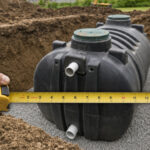
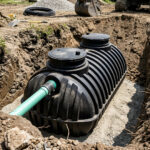
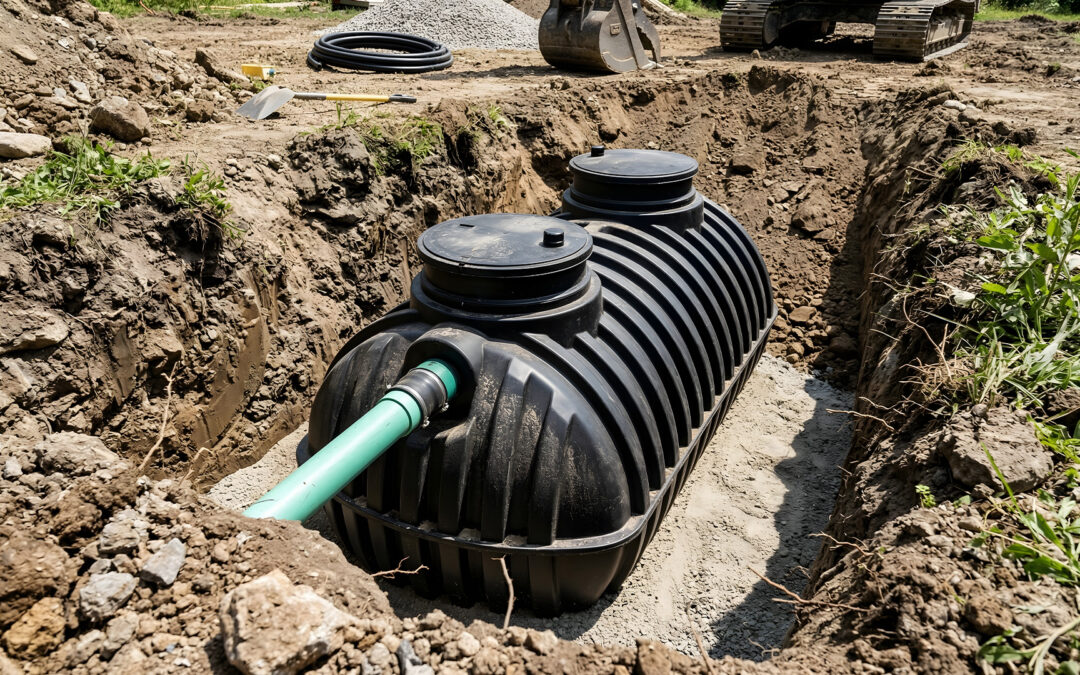
Plastic tanks, usually made from polyethylene, tend to last around 30 to 40 years. They don’t rust, which is a plus, and they’re lighter than concrete.
The tradeoff is that lighter tanks need to be installed right. If the soil shifts or the tank isn’t set correctly, it can move or get damaged.
Fiberglass Septic Tanks
Fiberglass tanks are lightweight and rust-resistant too, and like plastic, they usually last around 30 to 40 years when installed properly.
The biggest risk with fiberglass is movement or damage from poor installation, ground pressure, or heavy weight sitting above the tank.
Steel Septic Tanks
Steel tanks usually have the shortest lifespan of the bunch, often somewhere around 15 to 25 years.
Rust is the main issue. Over time steel corrodes and weakens, and older homes around Southwest Missouri may still have steel tanks, especially if the system hasn’t been updated in a while.
If you’ve got an older steel tank, it’s worth having it checked. Waiting until it fails isn’t much of a plan, unless you enjoy surprise bills and yard problems. Most people don’t.
What Causes a Septic Tank to Fail Early?
A tank can fail early for a handful of reasons. Some are out of your hands, others come down to maintenance and daily habits.
Common causes include:
- Skipping septic pumping
- Flushing wipes, grease, paper towels, or other things that don’t break down well
- Using too much water at once
- Poor installation
- Tree root damage
- Soil movement or drainage problems
- Driving or parking over the tank or drain field
- Ignoring small warning signs
The most common cause of septic trouble is neglect. A septic system doesn’t need much attention, but it does need some.
When a tank doesn’t get pumped, solids build up. Eventually they can move out of the tank and into the drain field, and that’s when the problem goes from “we need to pump the tank” to “we’ve got a much bigger issue.”
That’s when things get expensive and messy.
How Often Should a Septic Tank Be Pumped?
Most septic tanks should get pumped every 3 to 5 years. Some homes need it more often, others can stretch it a little longer.
It depends on a few things: the size of the tank, the number of people in the home, how much water the household uses, whether the system has a garbage disposal, the age and condition of the system, and when it was last pumped.
If you don’t know the last time your tank was pumped, that’s your sign to schedule service. “I think it was before we moved in” isn’t exactly a maintenance plan.
Routine septic tank pumping helps clear out built-up solids before they cause backups, odors, or drain field problems. It’s one of the simplest ways to help your tank last longer.
Signs Your Septic Tank May Need Repair or Replacement
A septic tank usually gives you some warning before things get really bad. The trick is not ignoring it.
Watch for:
- Slow drains throughout the home
- Gurgling toilets or drains
- Sewage odors inside or outside
- Wastewater backing up into sinks, tubs, or toilets
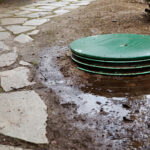
- Wet or soggy spots in the yard
- Standing water near the tank or drain field
- Very green or fast-growing grass over the septic area
- Repeated issues even after pumping
- Visible cracks or damage to the tank
One slow sink might just be a clog. If several drains are slow, the yard smells bad, or wastewater’s backing up, that’s more serious.
That’s where a professional septic inspection comes in. An inspection can show whether the tank’s full, damaged, leaking, or if the problem’s actually somewhere else in the system.
If there’s damage, septic system repair may be enough to fix it. Not every septic issue means you need a brand-new tank.
Is It the Tank, the Drain Field, or Just Time to Pump?
This is where a lot of homeowners start to get nervous.
If your system starts acting up, it’s easy to assume the worst. A backup or bad smell doesn’t always mean the tank needs replacing.
Here are a few common possibilities:
The tank may need pumping: If it’s full of solids, wastewater can’t move through the system the way it should. Pumping might solve it if there’s no damage.
A part may need repair: Baffles, pipes, lids, pumps, and other parts can wear out or break. Sometimes fixing one part gets the whole system working again.
The drain field may be struggling: If solids have reached the drain field, or the soil’s too wet or compacted, wastewater might not drain the way it should.
The tank may need replacement: If it’s cracked, badly rusted, collapsing, or just not safe to use anymore, replacement’s probably the right call.
If replacement is what you need, professional septic tank installation makes sure the new tank gets sized, placed, and installed correctly.
The main point is simple: don’t guess. Septic systems are buried underground, and underground problems aren’t exactly known for being obvious.
How to Help Your Septic Tank Last Longer
You can’t make a septic tank last forever, but you can help it go the distance.
Start with these habits:
- Pump the tank on schedule
- Keep records of service and repairs
- Don’t flush wipes, grease, paper towels, or feminine products
- Fix leaking toilets and faucets
- Avoid sending too much water into the system at once
- Keep cars, trucks, and heavy equipment off the tank and drain field
- Keep trees with aggressive roots away from the system
- Know where your tank and drain field are located
- Call when something seems off
A septic tank isn’t complicated, but it does need the right care. Treat it like a trash can, and it’ll complain, loudly.
FAQ About Septic Tank Lifespan
Can a Septic Tank Last 50 Years?
Yeah, some tanks can last 50 years or more, especially concrete tanks that were installed well and kept up with. Fifty years isn’t guaranteed, though. Tank material, soil conditions, water use, and pumping history all play a part.
How Do You Know When a Septic Tank Needs to Be Replaced?
A tank may need replacing if it’s cracked, leaking, badly rusted, collapsing, or causing repeated problems even after pumping or repairs. Strong sewage odors, backups, soggy yard spots, and standing water near the system are all warning signs too.
What’s the Worst Thing for a Septic Tank?
A mix of neglect and the wrong stuff going down the drain. Grease, wipes, paper towels, harsh chemicals, and skipped pumping can all cause real problems.
What’s the Most Common Cause of Septic Tank Failure?
Lack of maintenance, hands down. When a tank doesn’t get pumped, solids build up and can move into the drain field. This leads to clogs, backups, and repairs that cost a lot more than routine pumping would have.
How Long Can a Septic Tank Last Without Being Pumped?
Depends on the tank size and how the household uses water, but going too long without pumping is risky. The tank might seem fine for a while, but solids are still building up underneath that. Once they reach the drain field, the repair gets a lot more expensive than routine pumping ever would have been.
Can a Septic System Last 100 Years?
Not something you should count on. Some parts might last a long time, but tanks, pipes, and drain fields all wear down eventually. Regular inspections and maintenance are the best way to get the most life out of the system you’ve got.
Not Sure How Old Your Septic Tank Is?
If you’re not sure how old your septic tank is, or whether it’s due for service, it’s better to check before there’s a backup, odor, or soggy mess in the yard.
Austin’s Pumping & Plumbing can inspect your system, pump the tank if it needs it, and help you figure out what’s going on before a small issue turns into a big mess.
Contact Austin’s Pumping & Plumbing at (417) 987-9914 for a free consultation.